Why You Should Never Use Your Real Email Everywhere Online
The Hidden Risks of Sharing Your Primary Email
Your personal email address is far more valuable than many people realize. It’s not just a way for friends and family to reach you; it’s also the key to your online accounts, subscriptions, financial services, and even your identity. Unfortunately, many people give out their primary email address to almost every website they visit—whether for signing up to newsletters, downloading a free guide, or creating an account to test out a service. Each time you hand over your email, you add your details to yet another database, and those databases are not always secure. This opens the door to a range of problems including spam, data breaches, phishing attempts, and even identity theft. The more widely your primary email is shared, the harder it becomes to protect your privacy and security.
Spam and the Cluttered Inbox
One of the most immediate consequences of oversharing your email address is spam. Companies often sell or share mailing lists with partners, advertisers, and third parties. This leads to a flood of unwanted newsletters, promotional emails, and marketing campaigns that fill your inbox. Over time, your ability to spot important messages gets harder as legitimate emails are buried under endless marketing messages. While spam filters can help reduce the problem, they’re far from perfect. Sometimes useful emails are sent to the spam folder by mistake, and malicious spam can still slip through. By giving out your main address freely, you put yourself on the fast track to a cluttered, frustrating inbox.
Data Breaches and Hacking Risks
In recent years, millions of people have had their personal information exposed in high-profile data breaches. When you use your real email address to sign up for multiple websites, you are trusting each of those sites to protect your data. But not every company invests enough in cybersecurity. If one of those services is hacked, your email address may be leaked along with passwords, usernames, or even sensitive personal details. Hackers can then use this information to attempt credential stuffing—trying the same email and password combination across multiple sites—or to send you targeted phishing scams. Even if you practice good password hygiene, simply having your email exposed increases your vulnerability online.
Phishing and Social Engineering Attacks
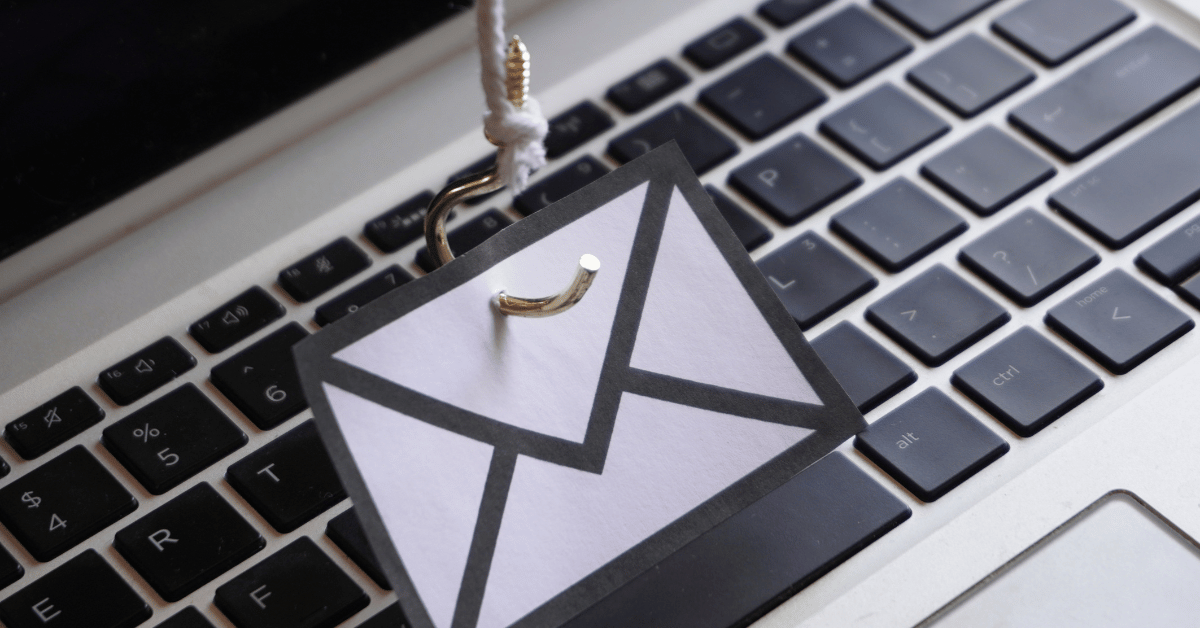
Once your email address is widely available, it becomes a target for phishing. Scammers send emails that look like they come from trusted companies—such as your bank, a streaming service, or even government agencies—trying to trick you into revealing personal information or clicking malicious links. These emails often use the fact that your email address is already associated with certain services to make the messages more convincing. Social engineering attacks rely on this kind of familiarity to deceive you. Protecting your real email address and limiting its exposure reduces the chances that you’ll receive such targeted attacks in the first place.
Why Disposable Emails Are the Solution
The easiest way to minimize these risks is by using disposable or temporary email addresses. A disposable address acts as a protective shield between you and the outside world. Instead of giving out your main inbox whenever you register for a new service, you can use a temporary address. If the site turns out to be untrustworthy, or if the email address starts attracting spam, you can simply discard it and generate a new one. This way, your primary email remains clean, private, and secure. Disposable email addresses allow you to control who gets access to your real inbox and prevent your personal email from being exposed in unnecessary situations.
Practical Everyday Uses
Signing Up for Free Trials
Many websites require an email address to access free trials or downloads. Instead of cluttering your main inbox with follow-up marketing, you can use a disposable email to enjoy the trial without future spam.
Public Wi-Fi and Event Registrations
When connecting to public Wi-Fi or attending events that require registration, disposable emails help you stay anonymous while still getting access to what you need. These environments are notorious for generating marketing lists, and a throwaway address keeps you safe.
Testing New Services
If you want to try a new app or online platform but don’t fully trust it yet, a disposable email is the perfect tool. You can test the service, receive any necessary confirmation emails, and walk away without long-term consequences.
Maintaining Digital Privacy
Privacy is becoming a bigger concern as more of our lives move online. By using temporary email addresses, you reclaim control over your personal data. You decide who gets access to your real inbox, and you greatly reduce the number of companies holding onto your personal email address. This makes it harder for advertisers, hackers, and malicious actors to track you across platforms or build a detailed profile of your online habits.
Conclusion
Using your real email everywhere online is an unnecessary risk in today’s digital world. The potential consequences—spam, clutter, phishing, breaches, and lost privacy—far outweigh the convenience of sticking to one address. Disposable email services like emailme.at offer a simple, effective way to protect yourself. By generating a throwaway address whenever you need one, you keep your real inbox safe, private, and under your control. In an era where cyber threats and privacy concerns are only increasing, protecting your main email address should be a top priority. Disposable emails are not just a convenience—they’re an essential tool for digital security and peace of mind.
Ask ChatGPT